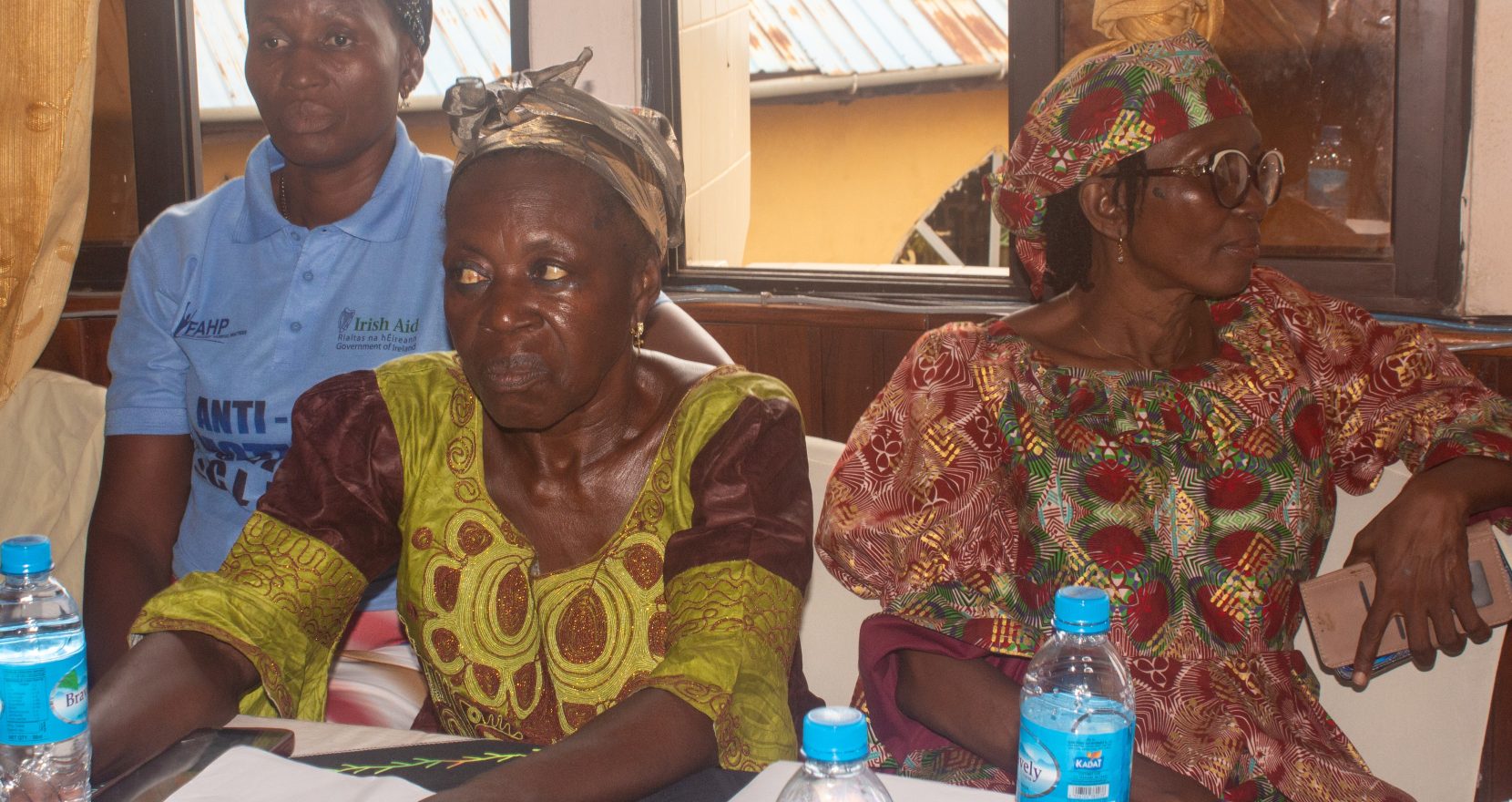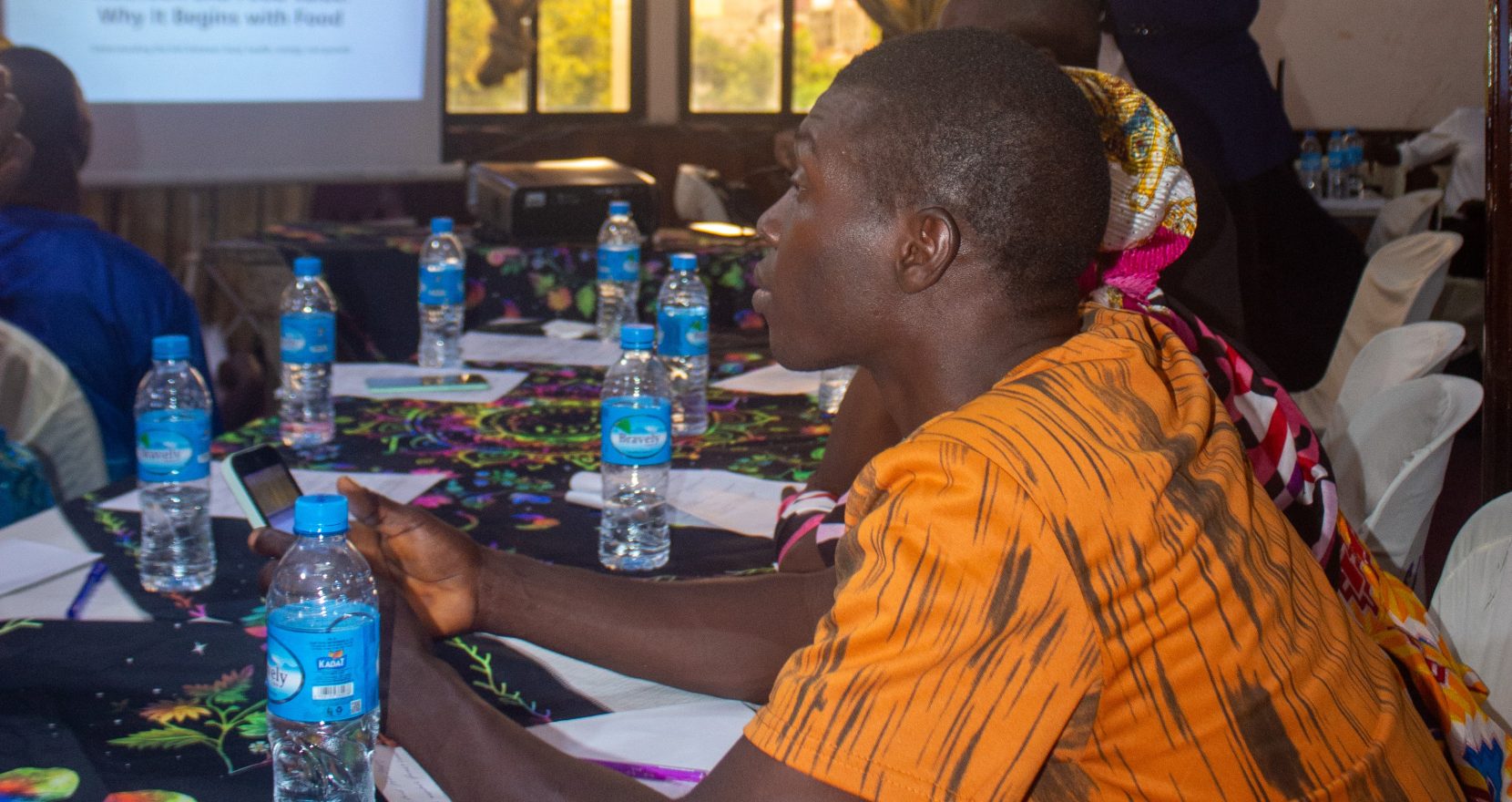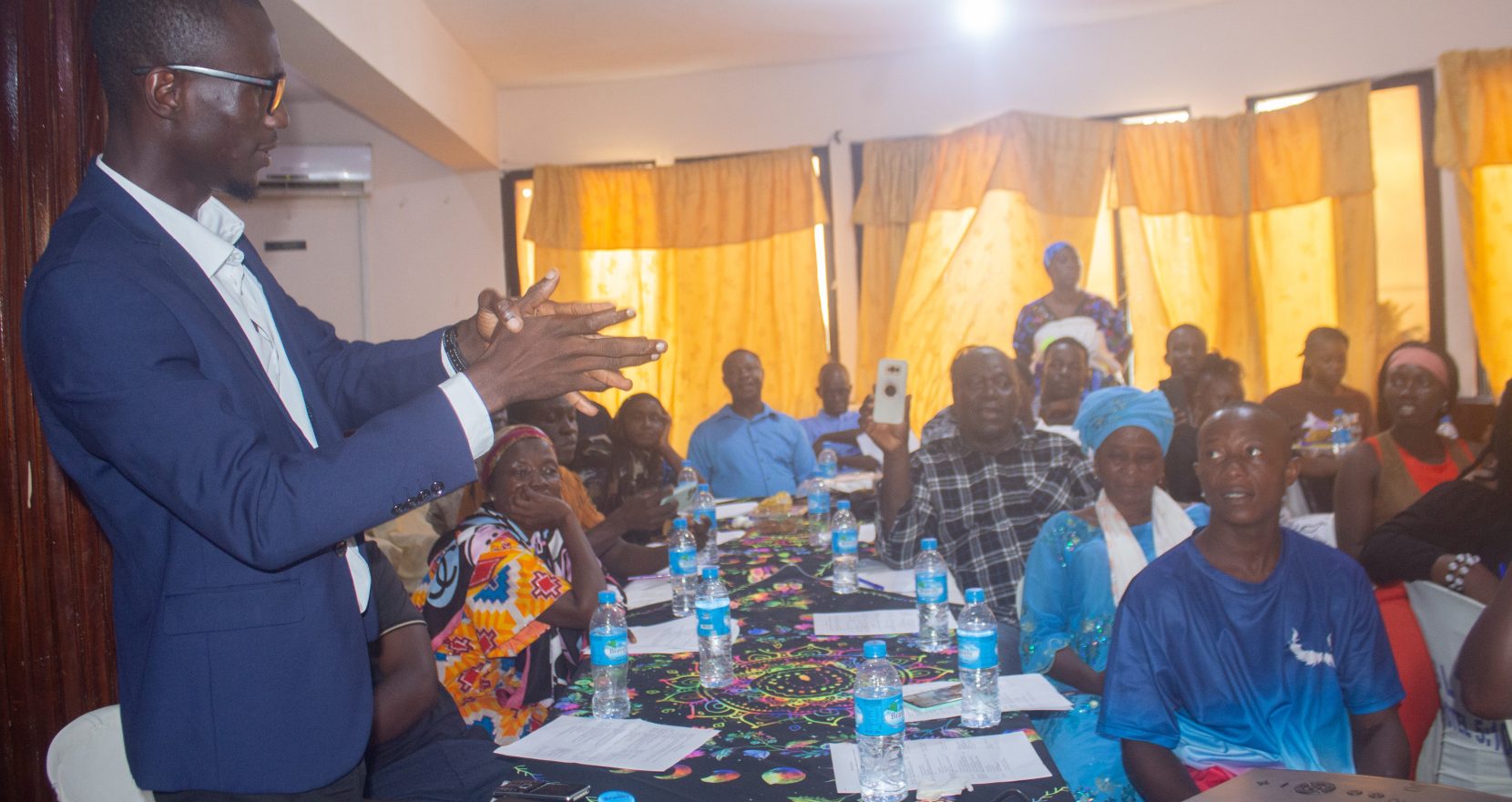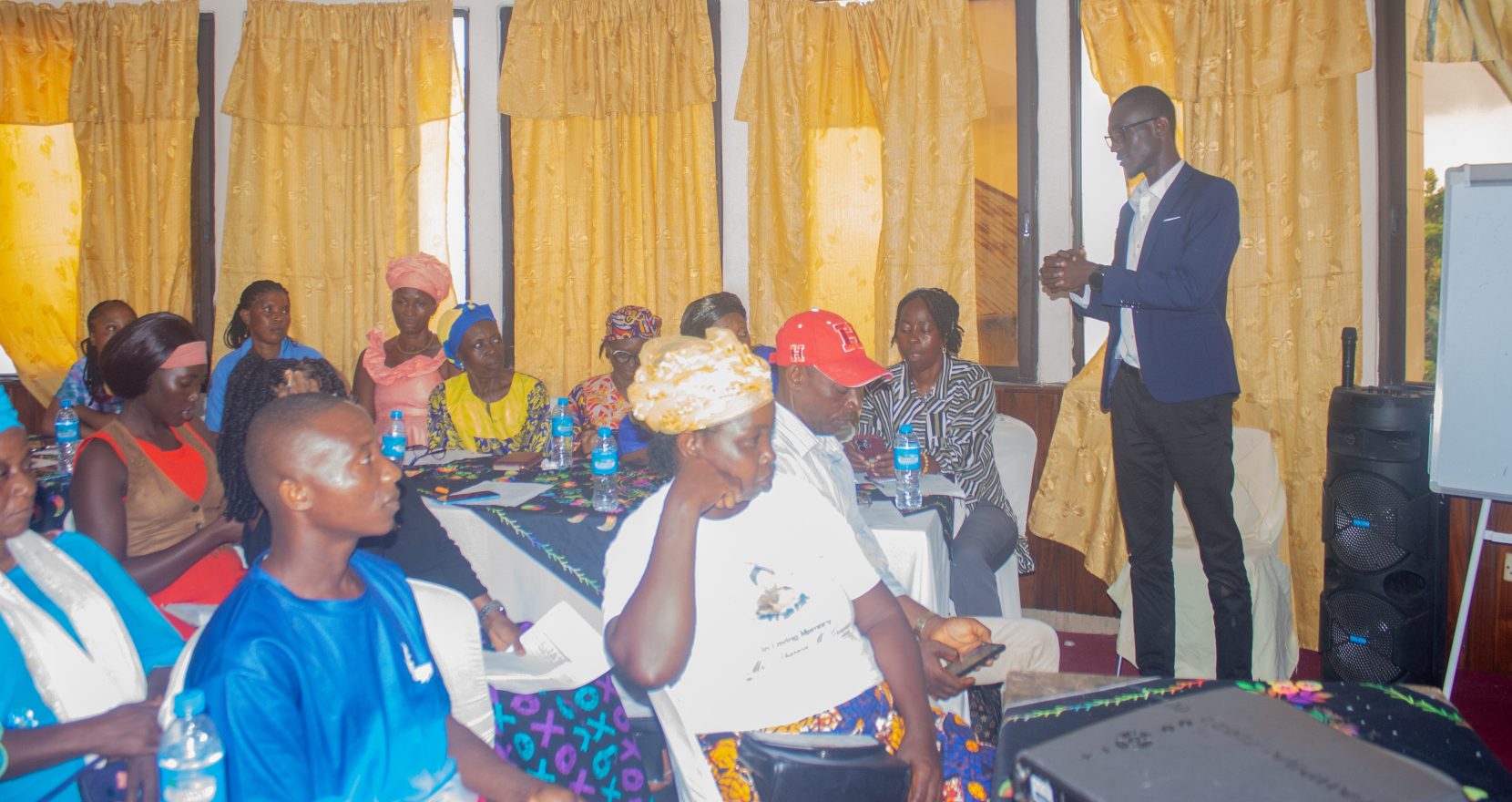
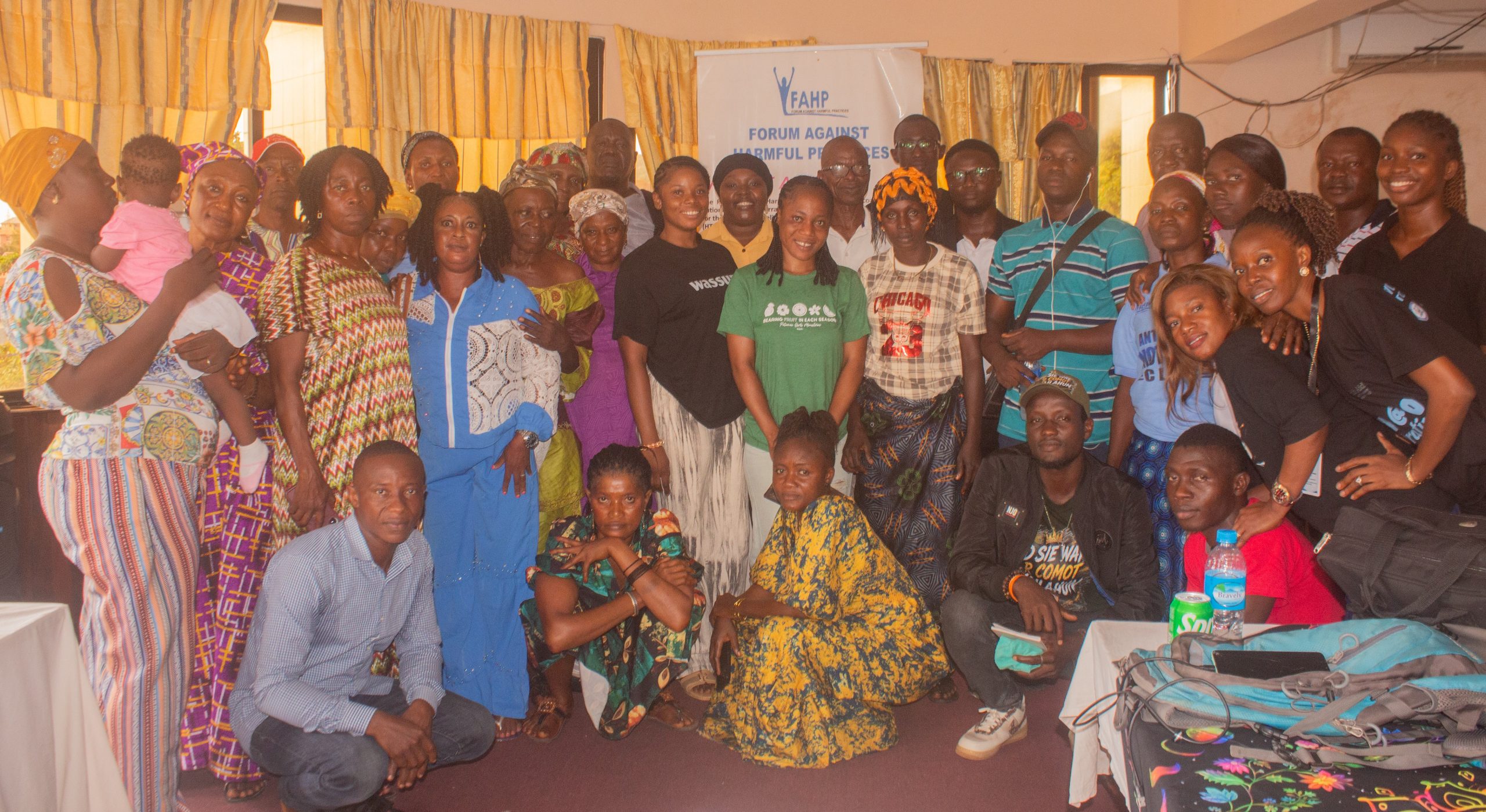
The Forum Against Harmful Practices (FAHP), in its efforts to create alternative sources of livelihood for VSLA members, as well as ex-practitioners (Soweis) successfully concluded two-day training on Nutrition, Food Utilization, and Climate-Smart Agriculture on 6th August 2026.
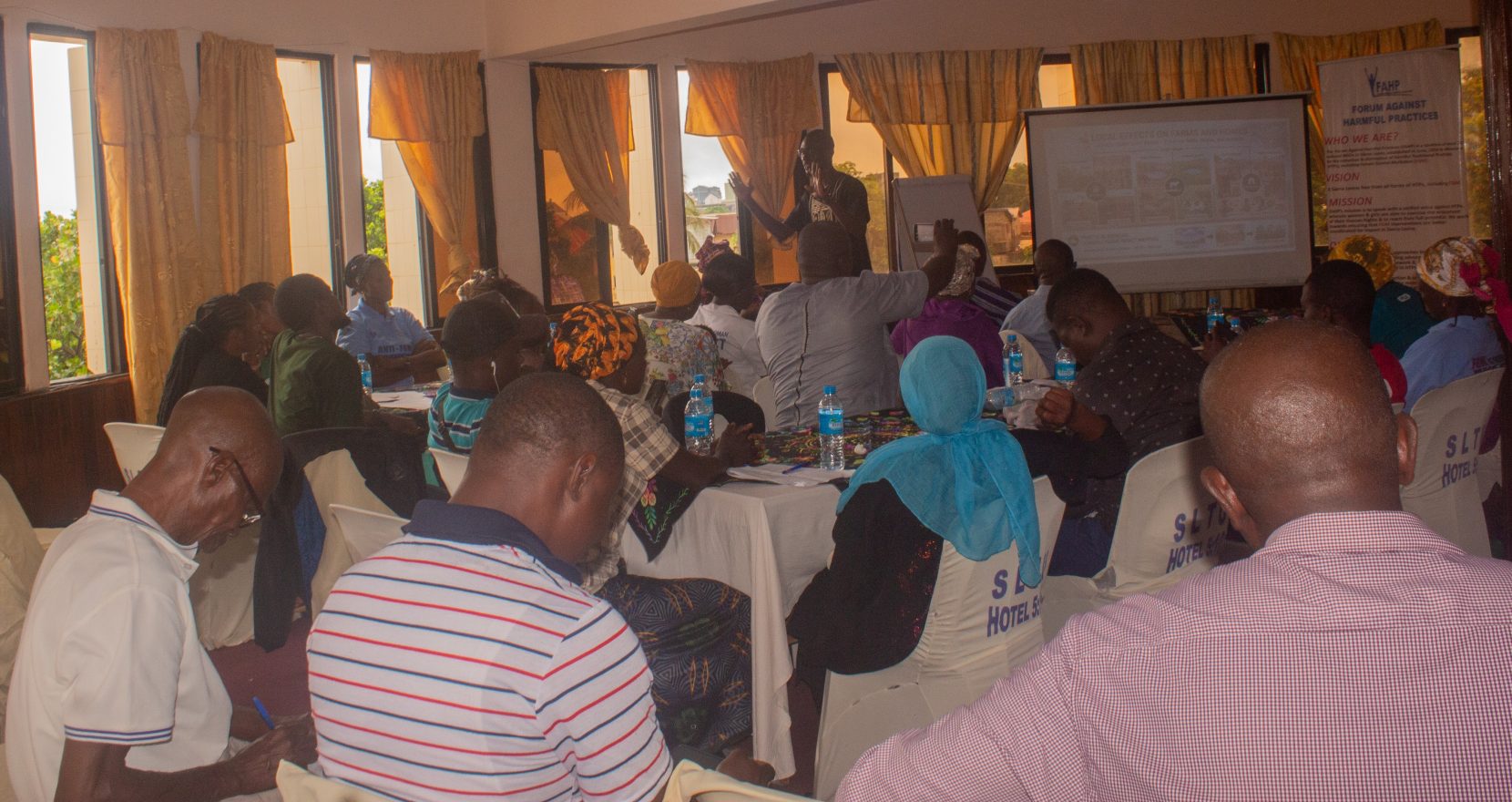
The training brought together VSLA members from 10 districts engaged in agricultural activities and was held at Hotel 5-10 (SLTU), off Bai Bureh Road, Freetown, with great support from Irish Aid.
The training aimed to equip participants with practical knowledge and skills to improve household food security, nutrition, food utilization, and climate resilience, while supporting participants to strengthen sustainable livelihood opportunities.
Building Knowledge for Resilient Livelihoods
The two-day Facilitated by Mr. John Kowa Kamanda an expert in Food and Climate studies, provided participants with an opportunity to explore the relationship between nutrition, food systems, agriculture, and climate change. The sessions combined interactive learning with practical exercises to support participants in applying the knowledge gained within their households and communities.
Day One focused on Nutrition, Food Utilization, Food Value, and Dietary Diversity, covering areas such as essential nutrients and their functions, food groups, balanced diets, locally available foods, dietary diversity, food safety, preparation, storage, and reducing post-harvest losses.
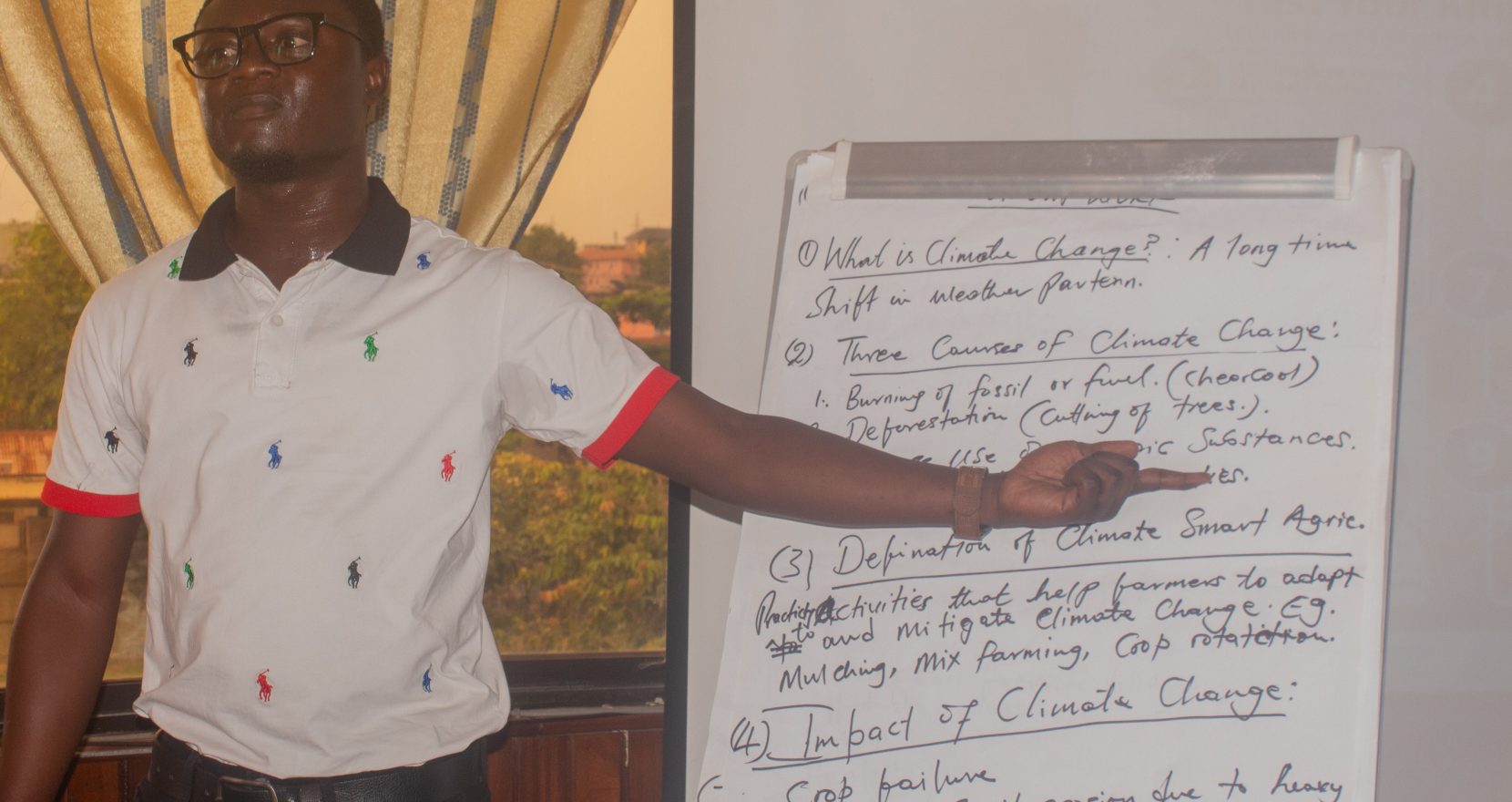
Day Two shifted the focus to Climate and Climate Change, with participants exploring climate-smart agriculture, the impacts of climate change on agriculture and livelihoods, and household action planning to strengthen resilience.
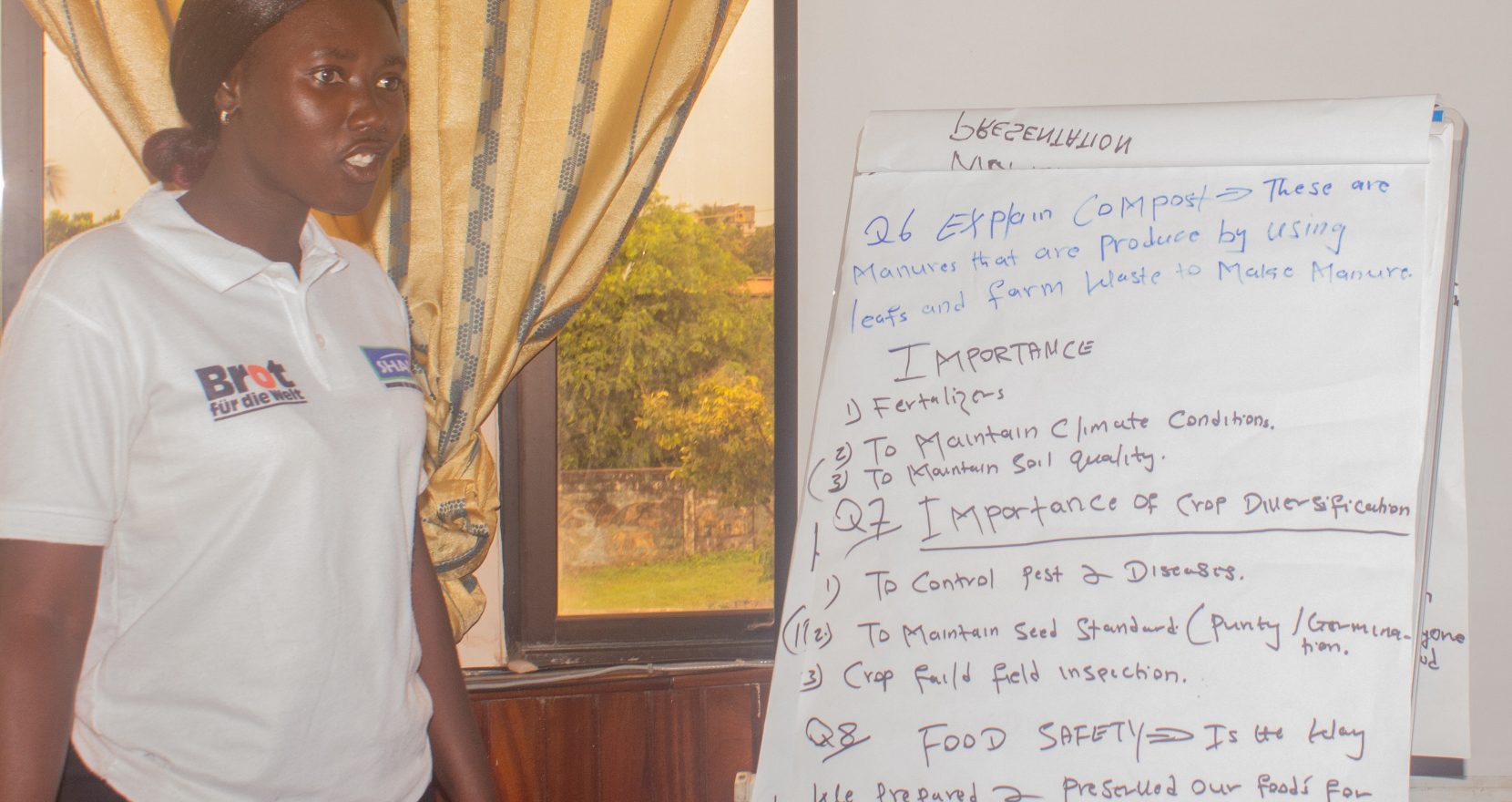
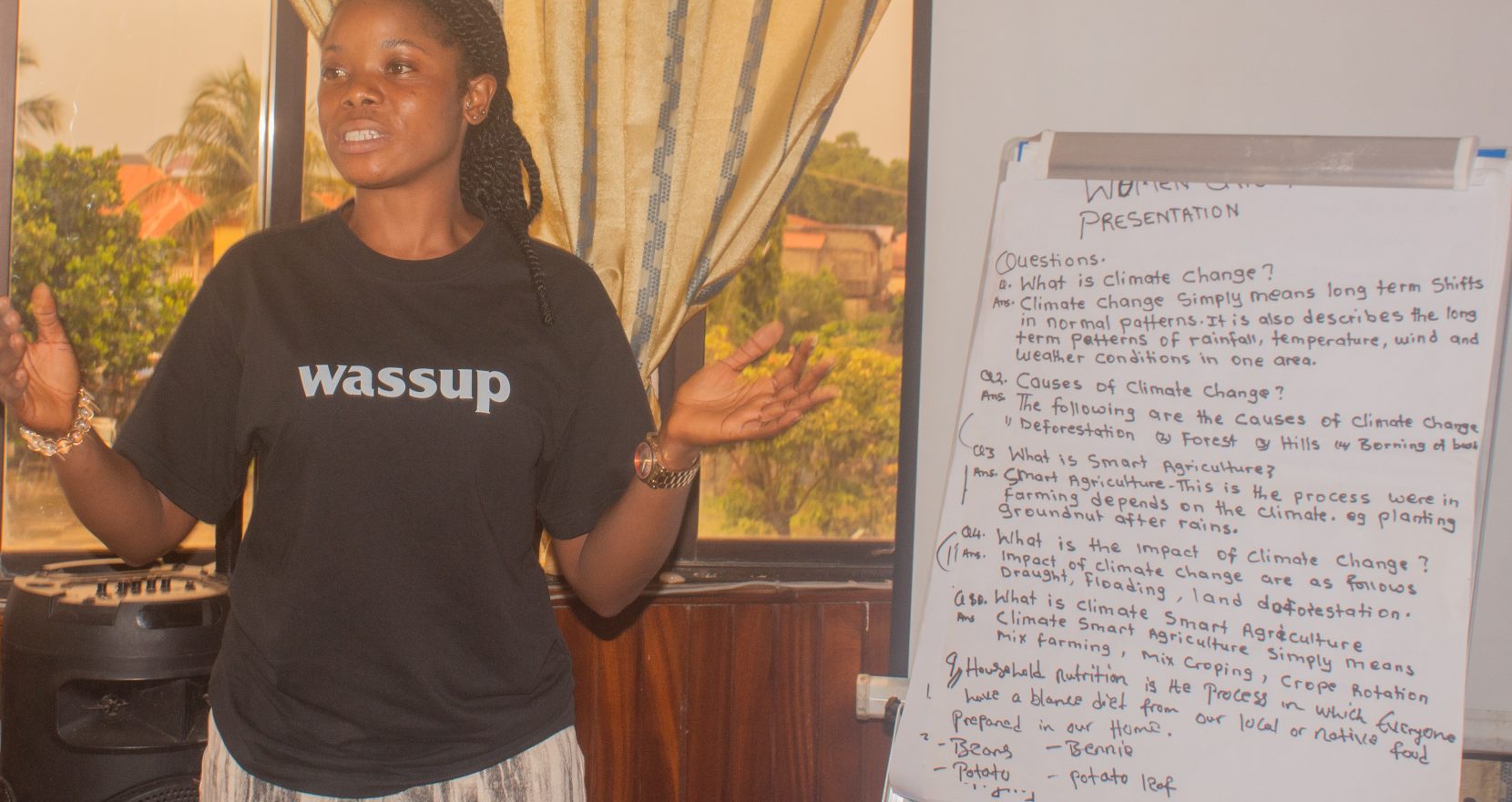
The training also incorporated group work and participant presentations, creating space for knowledge sharing, reflection, and community-driven solutions.
The successful completion of the training marks another step in FAHP’s efforts to support communities with practical knowledge and alternative livelihood opportunities that contribute to healthier households, improved food security, and more resilient communities.
From better nutrition to climate-smart practices, knowledge is a pathway to stronger and more sustainable livelihoods.